
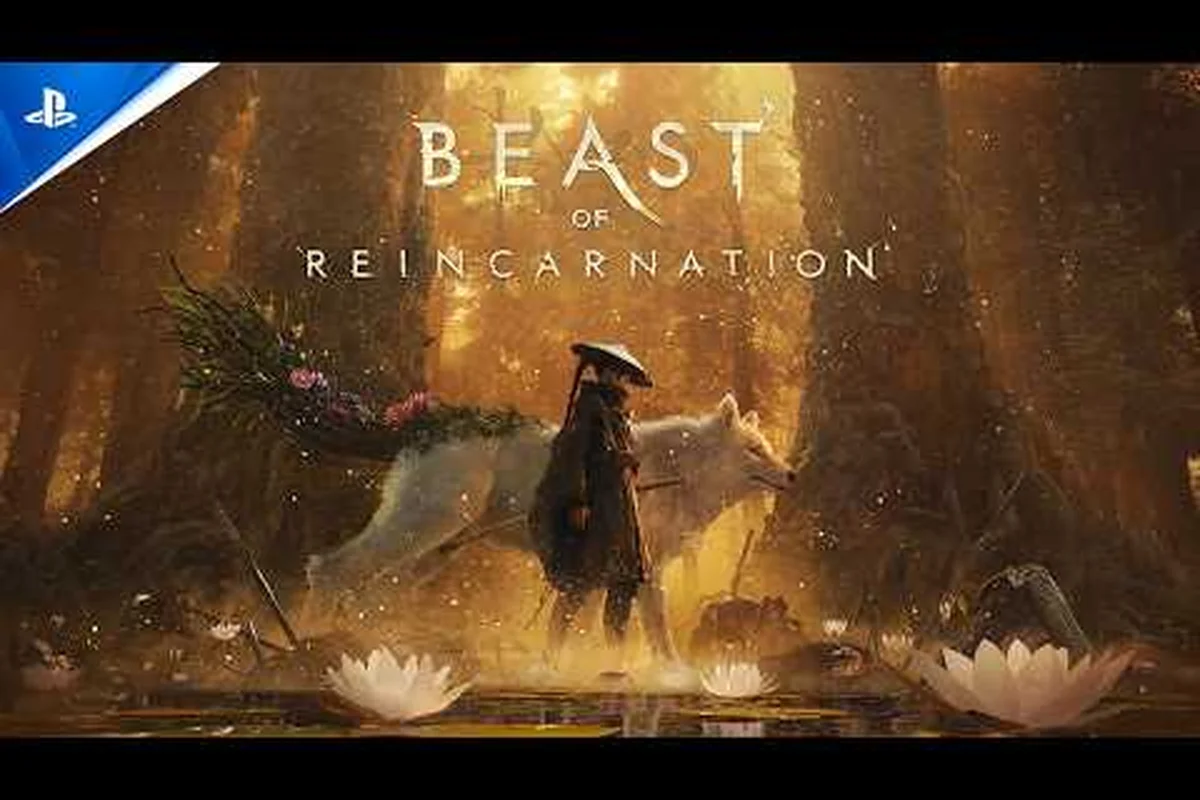
The narrative of the game is a dense, melancholic tapestry woven from Japanese folklore and cyclical tragedy, where the titular Beast is not merely a final boss but a narrative prison. Understanding the Beast of Reincarnation explained through its fragmented storytelling reveals a profound meditation on grief, duty, and the weight of memory. This guide dissects the hidden lore threads that most players miss on their first playthrough, providing a comprehensive look into the Beast of Reincarnation secrets in story.
Deconstructing the Beast of Reincarnation's Narrative Cycle
The core of the Beast of Reincarnation explained is the Cycle of Sorrow, a metaphysical loop that traps souls within the game’s feudal Japanese setting. Unlike standard action-RPG plots where the monster is an external threat, here the Beast is a manifestation of collective human suffering and regret. The narrative reveals that the Beast is born from the Cursed Bloodline of a fallen samurai clan, whose ritual suicide created a karmic debt so powerful it fractured the boundary between the living world and the Yomi realm.
Players begin their journey believing they are a wandering ronin seeking to slay a demon, but the Beast of Reincarnation secrets in story suggest a far more intimate connection. Through environmental storytelling and fragmented scrolls, you learn that your character is a reincarnation of the original clan lord who failed to protect his people. The Beast is not just a monster; it is the corrupted soul of your past self, making every encounter a battle against your own history.
This cyclical design directly influences gameplay, because the Beast’s behavior patterns change based on your past actions and the Karmic Resonance meter, a hidden statistic tracked from the moment you start a new game. The game never explicitly tells you this, but dying to the Beast increases its aggression in subsequent encounters, while sparing specific NPCs alters the final confrontation’s dialogue.
| Cycle Phase | Narrative Event | Karmic Impact |
|---|---|---|
| Weeping Dawn | The Beast emerges from the lake, weeping tears of blood. | High if player has killed innocent NPCs. |
| Memory of Flames | The burning village flashback. Your past life’s failure is revealed. | Unlocks hidden dialogue if you saved the Fire Keeper earlier. |
| Reclamation | The Beast absorbs the souls of the fallen. | Directly correlates to the number of deaths in your playthrough. |
| Final Confrontation | The Beast reveals its true form, a twisted version of your past self. | Low Karma triggers the secret "Redemption" ending path. |
Understanding this cycle is crucial for the Beast of Reincarnation profound story guide because it recontextualizes every side quest. The game does not feature a traditional morality system with a visible slider; instead, it uses a complex web of NPC interactions that are part of the deeper Beast of Reincarnation NPC storylines.
Unraveling Key Beast of Reincarnation NPC Storylines
The Beast of Reincarnation NPC storylines are the primary vehicle for delivering the game’s fragmented lore. Each major NPC represents a different facet of the Beast’s curse, and their personal quests offer alternative perspectives on the central tragedy. Ignoring these characters locks you out of the most critical Beast of Reincarnation secrets in story, including the true ending.
The Tragic Trio: Emissaries of the Cycle
Three specific NPCs hold the keys to understanding the Beast’s origin. Lady Akari, the shrine maiden found in the Sunken Temple, is a direct descendant of the priestess who first attempted to purify the Beast. Her questline reveals that the Beast was not always hostile; it was once a guardian spirit corrupted by the Shogun’s betrayal. Completing her quest awards the Mirror of Truth, an item that lets you see past events in real-time.
Kaito, the blind swordsmith, is another critical figure in the Beast of Reincarnation NPC storylines. He forges the only weapons capable of piercing the Beast’s final form. The Beast of Reincarnation secrets in story are deeply embedded in his dialogue, as he is the reincarnation of the original smith who forged the blade used in the ritual suicide that created the Beast. According to community data, if you bring him Star Iron before the Siege of Akiyama Castle, he reveals the Beast’s true name, which can be spoken during the final battle to stun it for a critical damage window.
The third essential character is The Nameless Wanderer, an NPC who appears only at night near crossroads. He is a manifestation of the Beast’s lingering humanity. His side quest is the most obtuse in the game, requiring you to perform specific emotes at unmarked graves. The payoff, however, is the most significant for the Beast of Reincarnation profound story guide, as he provides the final piece of the puzzle: the Beast is not just a singular entity but a gestalt consciousness of every soul who died with unresolved resentment.
The Shogun’s Betrayal and the Cursed Blade
A pivotal moment in the Beast of Reincarnation NPC storylines is the flashback mission "The Night of Falling Stars." This mission is unlocked by collecting all Memory Fragments scattered across the game world. It depicts the moment the Shogun, fearing the guardian spirit’s power, ordered its binding. The ritual involved a cursed blade, Yami-no-Tsurugi, which shattered upon piercing the spirit, scattering its power and birthing the Beast.
The Beast of Reincarnation explained through this lens becomes a story of political paranoia corrupting the divine. The Shogun’s betrayal is the original sin that traps the region in its endless cycle. This is not just backstory; it is actionable intelligence. Knowing this allows you to understand why the Beast is weak to Purification Salt and Sacred Flame items, which are remnants of the original sealing ritual.
| NPC | Location | Key Item | Lore Revelation |
|---|---|---|---|
| Lady Akari | Sunken Temple | Mirror of Truth | The Beast was a guardian spirit, not a demon. |
| Kaito | Akiyama Village | Star Iron Blade | The Beast’s true name and the location of the original shrine. |
| Nameless Wanderer | Crossroads (Night) | Withered Lotus | The Beast is a gestalt consciousness of the resentful dead. |
| Old Yasu | Mountain Pass | Broken Arrow | The Shogun’s soldiers were the first to be consumed by the Beast. |
Mastering the Beast of Reincarnation Side Story Guide
A complete Beast of Reincarnation side story guide must account for the game’s missable content. Unlike linear narratives, the side stories here are gated not just by progression but by the hidden Karmic Resonance system. This means that the order in which you complete quests and how you treat NPCs directly alters which Beast of Reincarnation secrets in story are available to you.
For example, the "Drowned Fisherman" quest in the Village of Mists is only available if you have not killed any non-hostile spirits in the preceding area. If you arrive with a high Spirit Kill Count, the quest giver will be hostile, and you lose access to a vital clue about the Beast’s weakness. This is a crucial aspect of the Beast of Reincarnation profound story guide, because it demonstrates how the game’s mechanics and narrative are inseparable.
Hidden Side Story: The Lament of the Fireflies
This is one of the most obscure Beast of Reincarnation secrets in story. To trigger it, you must have completed Lady Akari’s questline and obtained the Lantern of Lost Souls. You then need to travel to the Field of Bones during a full moon (the game’s internal calendar tracks moon phases, a mechanic never explicitly explained). In the field, you will find a swarm of fireflies that are immune to all damage. Using the lantern here reveals they are the souls of children who died in the famine that preceded the Beast’s rampage.
This side story has no combat, only dialogue. It provides the emotional context for the Beast’s rage, transforming it from a simple monster into a tragic figure. The Beast of Reincarnation explained through this quest reveals that the Beast’s "attacks" are actually its attempts to communicate its pain, twisted by the curse into destructive force. This understanding is key to unlocking the "Harmony" ending, where you don’t kill the Beast but absorb its suffering.
The Pilgrim's Path: A Karmic Roadmap
The Pilgrim’s Path is a series of unmarked shrines that, when visited in a specific order, recount the story of the original guardian spirit. This is the ultimate test for players seeking the Beast of Reincarnation profound story guide. The shrines are hidden in plain sight, often disguised as part of the environment. The order is: Shrine of Dawn, Shrine of Dusk, Shrine of the Broken Oath, and finally the Shrine of the Lost Name.
Activating them in this sequence while wearing the Tattered Robes (the starting armor of the game, which most players discard) triggers a vision of the spirit’s life before the Shogun’s betrayal. This vision is the definitive version of the Beast of Reincarnation explained, showing the spirit as a benevolent protector who was loved by the people. The contrast between this vision and the monstrous Beast you fight throughout the game is the central tragic irony of the story.
The Profound Narrative Design of the Beast of Reincarnation
The genius of the Beast of Reincarnation profound story guide lies in its use of gameplay mechanics to reinforce its themes. The game’s death and respawn system is not just a gameplay convenience; it is a core narrative device. Every time you die and respawn at a Bonfire Shrine, the world state degrades slightly. NPCs may become more despondent, and the Beast’s influence spreads, represented by a visual increase in the corruption covering the environment.
This creates a powerful ludonarrative harmony. The player’s desire to simply "win" by brute force is mirrored by the Beast’s own cycle of violence. The more aggressively you play, the more you perpetuate the cycle of suffering. The true path to "winning" the story is not through mastering combat but through mastering empathy, which is expressed through the game’s obscure side quests and NPC interactions.
The Four Endings and Their Thematic Weight
The Beast of Reincarnation secrets in story culminate in four distinct endings, each a thesis on how to break a cycle of trauma.
- Cycle of Despair: Achieved by simply defeating the Beast in combat. The Beast is destroyed, but the world resets, and the cycle begins anew with a new wanderer. This is the "bad" ending.
- Cycle of Sacrifice: Achieved by using the Cursed Blade on yourself after defeating the Beast. You take the Beast’s place, becoming the new vessel for the curse. This is a bittersweet ending, as you spare the world but condemn yourself.
- Cycle of Memory: Achieved by completing all NPC questlines and speaking the Beast’s true name. The Beast remembers its past and dissipates peacefully. This is the "good" ending.
- Cycle of Harmony: The true ending. Achieved by completing the Lament of the Fireflies quest and the Pilgrim’s Path. You absorb the Beast’s suffering, transforming into a new guardian spirit. This ending is the culmination of the Beast of Reincarnation profound story guide, as it requires a complete understanding of the Beast of Reincarnation explained through every facet of its lore.
| Ending | Requirement | Narrative Outcome |
|---|---|---|
| Cycle of Despair | Defeat the Beast in combat. | The world resets; no one is saved. |
| Cycle of Sacrifice | Use the Cursed Blade on yourself. | You become the new Beast, continuing the cycle. |
| Cycle of Memory | Complete all NPC quests, speak the Beast’s name. | The Beast is freed, and the cycle is broken. |
| Cycle of Harmony | Complete all hidden side quests (Fireflies, Pilgrim’s Path). | You become a new guardian spirit, healing the land. |
This narrative structure is what makes the Beast of Reincarnation profound story guide so compelling. It rewards players who engage with the world not as a set of obstacles but as a living, breathing story. The game’s refusal to hand-hold the player through its most meaningful content is a deliberate design choice that fosters a dedicated community, where players piece together the Beast of Reincarnation secrets in story through shared discovery on forums and social media, much like the community-driven lore hunting of classic games. For a deeper dive into the world that houses this story, you can explore our guide on the core world traversal mechanics.
Frequently Asked Questions
What is the Beast of Reincarnation in the game's story?
The Beast is a corrupted guardian spirit, born from the ritual suicide of a samurai clan and the Shogun's betrayal. It is a gestalt consciousness of the resentful dead, trapped in a cycle of suffering that the player can either perpetuate or end.
How do I unlock all Beast of Reincarnation secrets in story?
You must complete all NPC storylines, especially for Lady Akari, Kaito, and the Nameless Wanderer. The most hidden secrets are tied to the Lament of the Fireflies quest and the Pilgrim's Path shrines.
What are the most important Beast of Reincarnation NPC storylines?
The essential NPCs are Lady Akari, Kaito the swordsmith, and the Nameless Wanderer. Their quests reveal the Beast's origin, its true name, and its nature as a collective consciousness of the dead.
How do I get the true ending in the Beast of Reincarnation?
To get the true "Cycle of Harmony" ending, you must complete the hidden Lament of the Fireflies quest and the Pilgrim's Path. This requires specific items like the Lantern of Lost Souls and wearing the starting Tattered Robes at unmarked shrines.
Does the Beast of Reincarnation have a profound story guide?
Yes, the game’s narrative is deeply layered, using its death mechanic and hidden Karmic Resonance system to tell a story about grief and cyclical trauma. The profound story guide involves understanding that your actions, not just your combat skill, dictate the ending.